
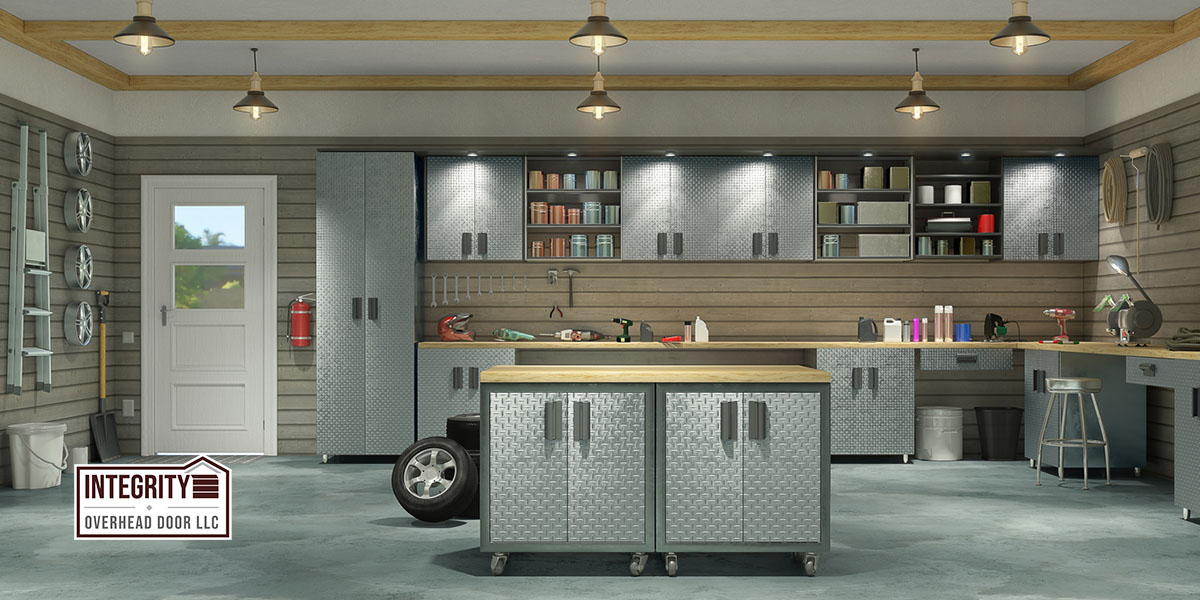
Spring cleaning often gives us a new perspective on how we use our homes. As you clear out winter clutter and organize, your garage may start to look like a space full of potential. That treadmill you’ve been wanting, the desk for a quieter home office, or the workbench for weekend projects suddenly seems realistic.
More homeowners are looking for flexible living spaces that adapt to changing needs, from home gyms to remote work setups. The garage often becomes a practical solution. It’s already part of your home, covered, and belongs to you.
Before you invest in gym equipment or office furniture, it’s essential to understand how your garage door affects year-round usability. This understanding can make the difference between a space that enhances your daily life and one that stays empty.
4 Ways to Repurpose Your Garage
With the right multipurpose garage layout, this space can become one of the most versatile areas of your home.
1. The Home Gym
Turning your garage into a gym is one of the most popular alternative uses for a garage. It provides privacy, convenience and space for equipment. But workouts generate heat, and Arkansas summers can be intense. Proper ventilation and temperature control are crucial for safe and consistent training. An insulated, well-sealed garage door helps prevent extreme temperature changes that can make early morning workouts uncomfortable or even unsafe.
2. The Quiet Home Office
Remote work has made having a dedicated office space more important than ever. A garage office can provide separation from the main living areas and reduce household distractions. The main challenge is noise control, as garage door openers with loud chain drives can rattle and disrupt video calls and focus.
A comfortable garage living space needs insulation for temperature control and a quiet opener to minimize interruptions.
3. The Creative Workshop or Hobby Space
If you enjoy woodworking, crafting or furniture restoration, a garage workshop provides room to spread out.
Lighting, durability, and consistent temperatures are important. Temperature fluctuations can affect materials and adhesives. Knowing your door’s insulation and energy-efficiency properties can help create a stable environment that protects your tools and projects.
4. The Flexible Entertainment Zone
Some homeowners turn their garages into casual hangout areas for watching games, hosting friends or creating a kid-friendly play zone. Comfort is essential when guests are involved. A well-insulated door reduces drafts and temperature fluctuations, making the garage feel like a true extension of your home rather than a detached storage area.
Tips for a Successful Garage Transformation
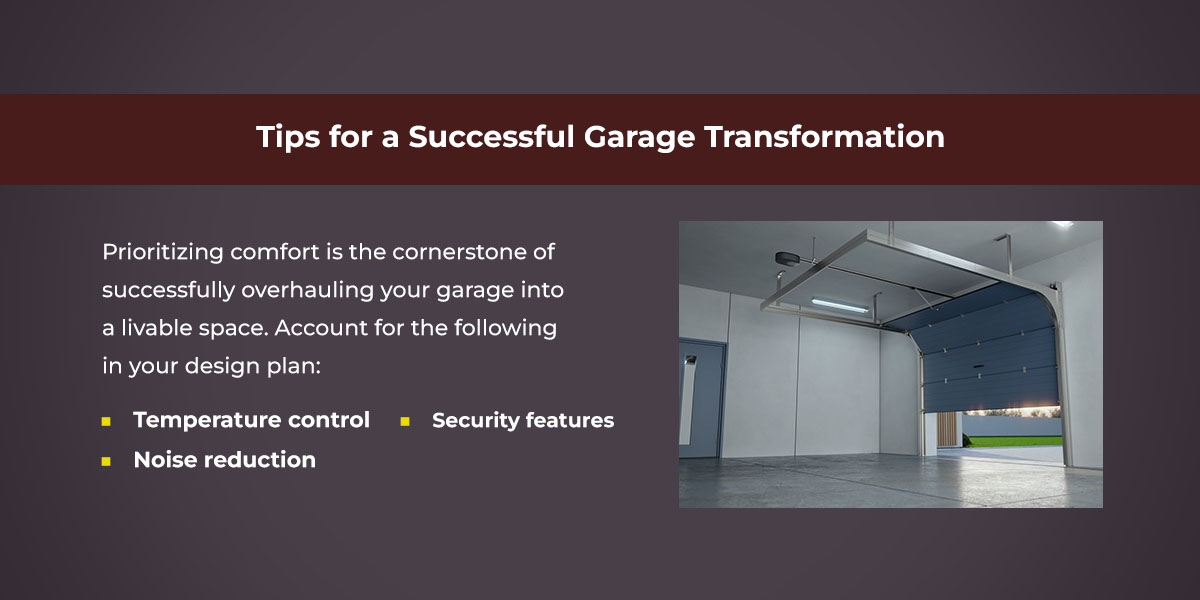
Prioritizing comfort is the cornerstone of successfully overhauling your garage into a livable space. Account for the following in your design plan:
- Temperature control: Insulation is key to reducing heat flow and improving energy efficiency in a home. An uninsulated garage door typically has an R-value between R-0 and R-2, meaning it offers little resistance to heat transfer. Insulated doors, especially those with polyurethane cores, can reach R-values of R-12 or higher. That difference can help stabilize the garage temperature by 10 to 20 degrees. When you’re trying to create a multipurpose garage layout, that thermal stability makes a big difference. If you insulate three walls but leave the largest one unprotected, the room won’t feel complete.
- Noise reduction: Noise can also derail a garage conversion. Chain-drive openers can rattle and vibrate, while belt-drive systems work smoothly and quietly. If your garage shares a wall with a bedroom or living area, or if you plan to use the space as an office, the noise of the opener is important. The difference between loud mechanical sounds and smooth operation can change how comfortable the room feels day to day.
- Security features: A garage that serves as a gym, office or entertainment area must also feel secure. Strong door panels, reliable locking mechanisms and proper sealing all contribute to your peace of mind. When your garage becomes part of your daily routine, it deserves the same level of protection as the rest of your home.
Assessing Your Current Garage Door for Conversion
Before investing in new equipment or furniture, take time to evaluate whether your current door is ready for the transition.
Inspecting Seals and Weatherstripping
Walk around your closed garage door and look for gaps along the bottom and sides. If you see light, that indicates air leakage. The same gaps that let light in also allow conditioned air to escape and outside temperatures to enter. Weatherstripping wears out over time, becoming brittle or compressed and losing its sealing effectiveness.
Checking Insulation R-Value
Uninsulated doors feel thin and cold to the touch in winter. Insulated doors are noticeably thicker and stay closer to room temperature. Polystyrene-insulated doors use foam board sections, while polyurethane-insulated doors expand to fill the entire door panel. Your door’s construction impacts both thermal performance and long-term durability.
Evaluating Opener Noise Levels
Listen to your garage door while it operates. Rattling, grinding or loud mechanical sounds typically come from chain-drive systems. These systems work well for vehicle storage, but they generate noise that is unsuitable for workspaces or entertainment areas. Belt-drive systems operate quietly, making them better for multipurpose garage ideas where quiet is important.
If you’re unsure, a professional inspection can offer clarity before you proceed with your project.
When to Repair vs. When to Upgrade for a Living Space
Not every garage transformation requires a full replacement. Sometimes targeted upgrades will suffice.
Enhancing an Existing Door
If your door is structurally sound but drafty or noisy, simple improvements may help:
- Replace worn weatherstripping.
- Schedule maintenance to improve alignment and performance.
- Upgrade to a quieter opener if the current system is disruptive.
Routine maintenance can boost performance and extend the life of your door, making it better suited to a new purpose.
Investing in a New Insulated Door
If your door is thin, uninsulated, or significantly outdated, replacement may be the better long-term solution.
A modern insulated door improves temperature stability, cuts noise and enhances curb appeal. Garage door replacement often ranks among the highest-return home improvement projects. When you view the door as part of the room and not just as an entry point, upgrading becomes an investment in comfort and usability.
Professional residential garage door installations ensure the door is properly fitted, sealed and aligned for the best performance.
Build Better Days With a Comfortable Garage Space
Your garage has real potential as a home gym, office, workshop or entertainment area, but only if it stays comfortable year-round. The insulation, sealing and quiet operation of your garage door will determine whether your transformation is successful.
Before you invest in equipment, furniture or finishes, have your garage door assessed for conversion. Our technicians know the specific requirements for comfort and can suggest solutions that fit your goals and budget. Schedule an appointment today to discuss your project. We’ll help you create a space that truly enhances your family’s daily life.